While there are undoubtedly popular travel seasons, other elements are mostly up to the individual. Based on your preferences and travel interests, continue reading to learn the best time of year to visit Tanzania.
Tanzania is located close to the equator and the Indian Ocean, which means that its weather patterns are equatorial and tropical. Other places may have classic summer, winter, fall, and spring seasons.
Tanzania experiences two different seasons: wet and dry. The dry season is sunny and occasionally warm, whereas the wet season is the rainy season. The advantages and disadvantages of each season are covered in more detail below.
Seasons in Tanzania
January–March
Tanzania usually experiences its hottest weather throughout these first few months of the year (peaking in February). This time of year, which is one of the most popular for safaris, is often dry. Particularly around the New Year, parks may feel a little congested. As other water sources dry up, animals may be seen swarming around rivers and lakes in search of moisture.
As zebras and gazelles travel to the Tarangire River for water during this period, they are shortly followed by predators like lions and leopards, making Tarangire National Park a prime location to see a variety of wildlife.
March-May
The “long rainy season,” which runs from mid-March to mid-May, is characterized by rainy nights and mornings. The sun usually appears in the afternoon, and the evenings are usually calm and pleasant. With plentiful water sources spread across the parks, the rains make everything lush, green, and the animals in the parks are lively and energetic.
However, due to flooding or heavy muck, some of the parks’ rough roads can be impassable. The main roads in the parks are usually in good condition, and many parks, including Ngorongoro Conservation Area, have numerous paved stretches of road that are safe to drive on.
Since there are less tourists during this time of year, almost all motels have special low season rates.
June – September
Tanzanians refer to this time as the “cold” season. Visitors from other climes find the weather to be pleasant and fresh, despite the fact that it is chilly for the inhabitants (you will notice people wearing winter jackets and caps). Bring a jacket for chilly mornings, but the weather is dry and pleasant in the afternoons, when it is typically sunny. Tanzania currently has a busy tourism season with many of tourists visiting the country’s national parks.
During Tanzania’s dry season, this is the best time to travel if you don’t like the heat. In Serengeti National Park, the Great Migration can frequently be seen during this time.
October-December
The brief rains often occur between October and December, and as the year’s end draws near, the temperature rises.
Additionally, in East Africa, the jacaranda trees bloom in October, creating a stunning display of trees covered with purple flowers. The Flame Trees bloom in December, turning a vivid crimson right before Christmas.
Tanzania sees a spike in tourism around Christmas, and the short rains frequently end by mid-December. Many guests have particular plans for the holiday season, like climbing Mount Kilimanjaro to observe the occasion. Holiday meals may be served to visitors by hotels and lodges.

Month by Month Breakdown
January
When you visit Tanzania in January, you may take in all the natural beauty and vibrant color that the country has to offer. The green season in Tanzania offers lush, picturesque vistas and once-in-a-lifetime photo opportunity.
February
Tanzania in February is amazing since it’s the ideal time of year to see baby animals taking their first steps on the savannah. Visitors traveling in February are greeted by bird watching, lush vegetation, and purifying afternoon thunderstorms.
March
Visits to Tanzania in March, a season that is sometimes disregarded, provide observers with stunning birding chances and few other tourists. In March, Tanzania is a country where animals are frequently observed out and about with their young, despite it occasionally being hot and humid.
April
Travelers to Tanzania in April are welcomed by scenic green landscapes, infant animals, swarms of colorful birds, and sparse crowds. Even if it could rain during the day, there are plenty of animals to make up for it.
May
Your final opportunity to experience Tanzania’s National Parks’ lush, untamed beauty before the dry season is in May. Visit at this time of year to see lovely, lush forests and vast, grassy plains teeming with young animals.
June
June is one of the finest months to go because of how many opportunities there are to see animals due to the dry environments. Animals congregate around watering holes in cool, dry weather because there are fewer possibilities to find water.
July
The best time to go on a safari in Tanzania is in July if you want to do it right.
Animals can be seen gathering close to the nearest watering holes as the ground becomes drier.
August
Tanzania’s national parks become wiped out in the midst of the protracted dry season, making wildlife easier to observe. August in Tanzania is one of the greatest times to watch animals in all their glory and is a popular season to travel there.
September
September is one of the greatest seasons to travel to Tanzania because of the increased visibility brought on by the cool, dry weather and bright Sun. Animals are in a severe need of food at the end of the protracted dry season, making this the greatest time to witness action.
October
October marks the end of Tanzania’s protracted dry season and your final opportunity to experience a true safari environment. In October, you may expect to see lots of animal activity, dense populations of animals, and convenient park driving.
November
Visit Tanzania in November to see how the brief rainy season brings nature back to life. Tanzanian farms, woods, and mountains burst with lush foliage as soon as the rains return to the savannah.
December
December, when thousands of birds return to Tanzania after their yearly migration, is ideal and clear for photography. Visit Tanzania in December to warmly, comfortably, and amidst unspoiled nature.
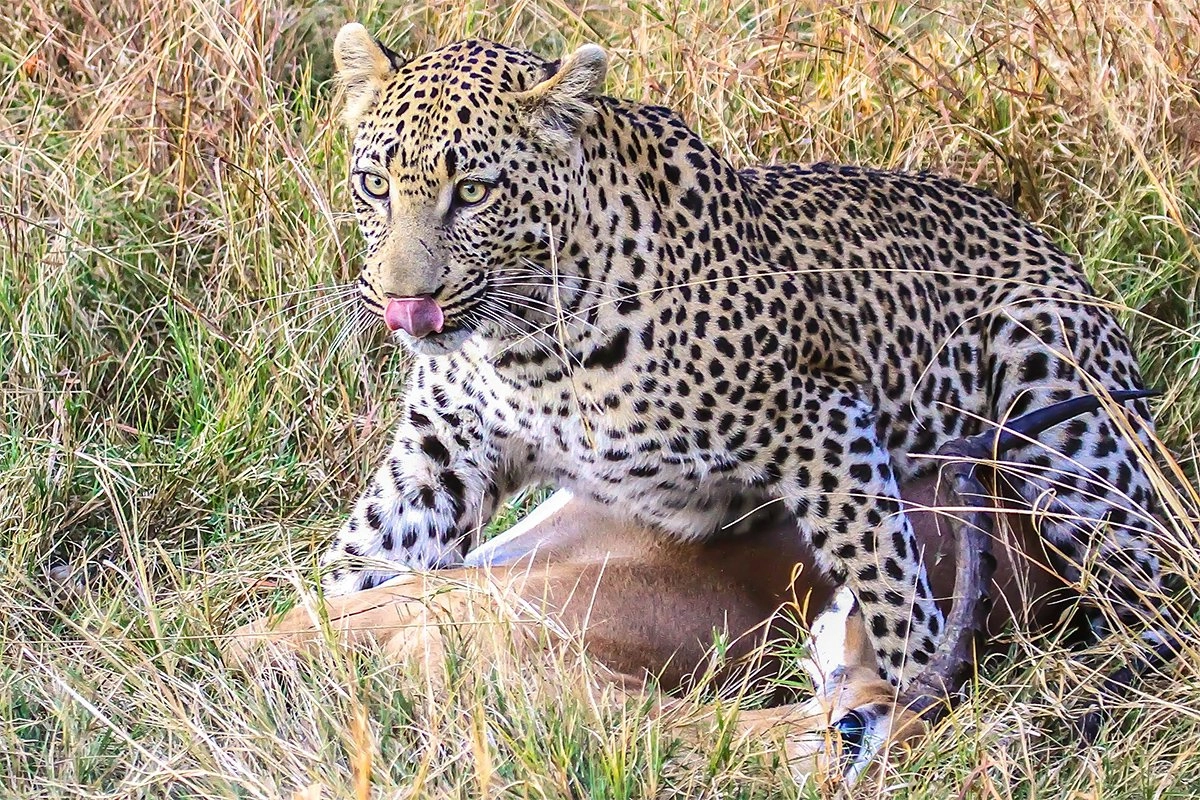
What season is ideal for traveling to Tanzania?
The greatest time to experience a fantastic safari in Tanzania is really any time of year. What time of year is best for you depends on your personal preferences.
When Tanzania’s parks are probably less busy and you can feel like you have the entire hotel to yourself if you want a personal, private safari, why not go there? Think of visiting during the rainy season.
If you want the best weather and to see trees that are vibrant with the hues of nature? Think of going to Tanzania in November or October.
Do you have your heart set on seeing the Great Migration of the Serengeti cross a river during the dry season? then decide between July and August.
Tanzania’s fauna is constantly active, and the national parks’ flora is vibrantly alive all the time. Choose a time that works best for you, and get ready to be astounded by this remarkable country’s breathtaking natural beauty and exciting animals.
Subscribe for updates & promotions
P.o.Box 13352 , Arusha, Tanzania
+255782 896 989
info@sayuniexpeditions.com
+255692123500
zanzibar@sayuniexpeditions.com