Unleash your inner explorer as we embark on a thrilling journey into the majestic world of lions. Known as the kings of the savannah, these powerful creatures have captured our imaginations for centuries. From their awe-inspiring roars to their regal presence, lions embody strength, grace, and a mystique that is hard to resist. In this captivating article, we’ll delve into the realm of these magnificent beasts and uncover 10 fascinating facts that will leave you in awe. Get ready to discover the secrets behind their iconic manes, learn about their unique social structures, and unravel the mysteries of their hunting strategies. Whether you’re a wildlife enthusiast or simply curious about the animal kingdom, this enthralling exploration of lions will transport you to the heart of the African wilderness and leave you roaring for more. So, fasten your seatbelts and prepare to be captivated by the raw power and untamed beauty of the king of beasts.
Distribution and Habitat of Lions
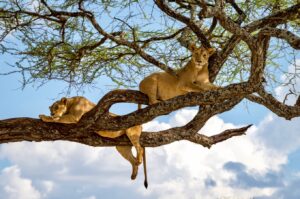
Lions are primarily found in the grasslands and savannahs of sub-Saharan Africa, although a small population exists in the Gir Forest of India. They have a wide distribution across countries such as Tanzania, Kenya, South Africa, Botswana, and Zimbabwe. These large carnivores require vast territories to roam and hunt, and their habitat consists of open plains, woodlands, and scrubland. Lions thrive in areas where prey availability is abundant, and they are well-suited to the dry and hot climates of their natural habitats.
Lions have evolved to adapt to various environmental conditions, from the harsh deserts of Namibia to the dense jungles of Central Africa. Their ability to survive in diverse landscapes is a testament to their resilience and adaptability as a species. However, due to habitat loss and human encroachment, lion populations have significantly declined over the years. Conservation efforts are crucial to preserve their natural habitats and ensure the survival of these magnificent creatures.
Physical Characteristics of Lions
With their muscular build and distinctive features, lions are instantly recognizable. Adult males, known as “lions,” are larger than females, called “lionesses.” On average, males can weigh between 400 to 500 pounds, while females typically weigh around 280 to 375 pounds. Standing at the shoulder, they measure around 3.5 to 4 feet tall. Their bodies are covered in a tawny-colored fur, which helps them blend seamlessly into their surroundings.
One of the most iconic features of lions is their impressive mane. Only male lions possess manes, which vary in color and length depending on their age and genetics. The mane serves multiple purposes, such as protection during fights and displays of dominance. It also plays a role in attracting females during mating season. The color of the mane can range from blond to dark brown, and it grows thicker and darker as the lion matures.
In addition to their mane, lions have sharp retractable claws, powerful jaws, and large teeth designed for tearing through flesh. Their muscular bodies enable them to run at speeds of up to 50 miles per hour, making them formidable hunters.
Social Structure and Behavior of Lions
Lions are highly social animals and live in groups called prides. A typical pride consists of related females, their offspring, and a few dominant males. The size of a pride can vary, ranging from as few as 4 individuals to as many as 40. Within the pride, the females are the primary hunters, while the males defend the territory and protect the group.
The social structure of a pride is hierarchical, with a dominant male known as the pride leader or “alpha male.” The alpha male asserts its dominance through displays of aggression and vocalizations, such as roaring. The alpha male has exclusive mating rights with the females, ensuring the survival of its genetic lineage. Other males, known as “nomads,” roam alone or form small coalitions until they are strong enough to challenge an alpha male and take over a pride.
Lions also exhibit communal parenting, with the responsibility of raising and protecting the cubs shared among the females. This cooperative behavior strengthens the bonds within the pride and increases the chances of survival for the young.
Hunting and Feeding Habits of Lions
Lions are apex predators and are known for their exceptional hunting skills. They primarily feed on large ungulates such as zebras, wildebeests, and buffalo, but they are opportunistic hunters and will prey on smaller animals if the opportunity presents itself. The success rate of a lion hunt varies, with estimates ranging from 20% to 30%. However, their cooperative hunting strategy gives them an advantage when it comes to capturing larger prey.
Lions employ a combination of stealth, teamwork, and brute force during a hunt. They often work together to encircle their prey, using the element of surprise to make a kill. Their muscular bodies and powerful jaws allow them to bring down large animals with ease. After a successful hunt, the lions gorge themselves on the prey, consuming large quantities in one sitting. They can eat up to 40 pounds of meat in a single meal, and they can survive for several days without food.
Reproduction and Life Cycle of Lions
The mating process of lions is a fascinating display of courtship rituals and territorial behavior. When a lioness comes into estrus, she emits pheromones that attract males from neighboring prides. The courtship period begins with the alpha male pursuing the female and engaging in various displays of affection. Once the pair has mated, the female will give birth to a litter of cubs after a gestation period of approximately 110 days.
Lion cubs are born blind and helpless, weighing around 3 pounds. The mother keeps them hidden in a den for the first few weeks, nursing them and providing protection. As they grow older, the cubs become more adventurous and start venturing out of the den to explore their surroundings. They are introduced to solid food at around 3 months old but continue to nurse until they are around 6 to 7 months old.
Around the age of 2, male cubs are typically forced to leave the pride by the dominant males. They become nomads and must fend for themselves until they are strong enough to challenge and take over a pride. Female cubs, on the other hand, may stay within the pride and eventually become part of their mother’s lineage.
Conservation Status and Threats to Lions
Despite their status as the king of beasts, lions are currently facing numerous threats to their survival. Habitat loss, human-wildlife conflict, and poaching pose significant challenges for lion populations. The encroachment of human settlements into lion territories has resulted in increased conflicts, leading to retaliatory killings and the fragmentation of their habitats.
Poaching also remains a significant issue, driven by the demand for lion bones, skins, and other body parts in the illegal wildlife trade. In some cultures, these parts are believed to possess medicinal or mystical properties, fueling the demand and putting lions at risk.
Efforts are being made to conserve and protect lions through initiatives such as the establishment of protected areas, community-based conservation projects, and anti-poaching measures. These efforts aim to mitigate the threats faced by lions and ensure their long-term survival in the wild.
Cultural Significance of Lions
Lions have held a special place in human culture and mythology for centuries. In many ancient civilizations, they were associated with power, royalty, and divinity. Their majestic appearance and commanding presence have made them symbols of strength and bravery.
Lions feature prominently in various religious and cultural beliefs. In Hindu mythology, the goddess Durga is often depicted riding a lion, symbolizing her power and fearlessness. In Christianity, the lion is often used as a symbol of courage and righteousness. Lions have also been used as national symbols in several countries, including England, Ethiopia, and Singapore.
In popular culture, lions have been immortalized in literature, films, and art. From the beloved character of Aslan in C.S. Lewis’ “The Chronicles of Narnia” to the animated lion king Simba in Disney’s “The Lion King,” these majestic creatures continue to captivate audiences of all ages.
Interesting Facts about Lion Behavior and Abilities
- Lions can communicate with each other through a variety of vocalizations, including roars, growls, and purrs. The sound of a lion’s roar can be heard up to 5 miles away, serving as a territorial warning and a means of communication within the pride.
- Lions have excellent night vision, allowing them to hunt and navigate in low-light conditions. Their eyes contain a specialized reflective layer called the tapetum lucidum, which enhances their vision in the dark.
- Unlike other big cats, lions are social animals that form strong bonds within their prides. The cooperative behavior exhibited by lions during hunts and the care given to their young contribute to their survival as a species.
- Lions are the only big cats that live in groups. This social structure provides them with a range of benefits, including increased hunting success, protection from predators, and the opportunity to mate with multiple females.
- Lions are skilled swimmers and are known to cross rivers and lakes in pursuit of prey. They have been observed swimming distances of up to 2 miles.
- Despite their reputation as fierce predators, lions spend a significant portion of their day resting and conserving energy. They can sleep for up to 20 hours a day, often in shaded areas to escape the heat.
- The lifespan of lions in the wild is typically around 10 to 14 years. However, in captivity, they can live up to 20 years or more.
Conclusion: The Majestic World of Lions
In conclusion, lions continue to captivate our hearts and minds with their raw power, untamed beauty, and fascinating behaviors. From their distribution and habitat to their physical characteristics and social structures, there is much to learn and appreciate about these majestic creatures. As we continue to navigate the challenges faced by lion populations, it is crucial that we strive to protect their natural habitats and promote conservation efforts. The world would be a lesser place without the presence of these iconic animals, and it is up to us to ensure their survival for future generations to admire and cherish. So, let us embrace the spirit of the lion, roar with power, and stand united in the preservation of these magnificent kings of the savannah.